-01.png)
Furniture Protection Techniques: Protecting Your Furniture During a Move
Moving can be exciting, but it also comes with its fair share of challenges. One of the biggest worries is how to keep your furniture safe and sound throughout the process. I’ve learned that with the right approach, protecting your furniture during a move doesn’t have to be stressful. Let me share some practical tips and furniture protection techniques that will help you keep your belongings in great shape.
Smart Furniture Protection Techniques for a Smooth Move
When it comes to moving, furniture is often the most valuable and bulky item to handle. Using smart furniture protection techniques can save you time, money, and headaches. Start by assessing each piece of furniture. Fragile items like glass tables or antique dressers need extra care, while sturdy pieces like sofas still benefit from proper wrapping.
Here are some key techniques I always use:
Disassemble when possible: Take apart beds, tables, and shelves. This makes them easier to carry and reduces the risk of damage.
Wrap with blankets or moving pads: Thick blankets or pads cushion your furniture and prevent scratches.
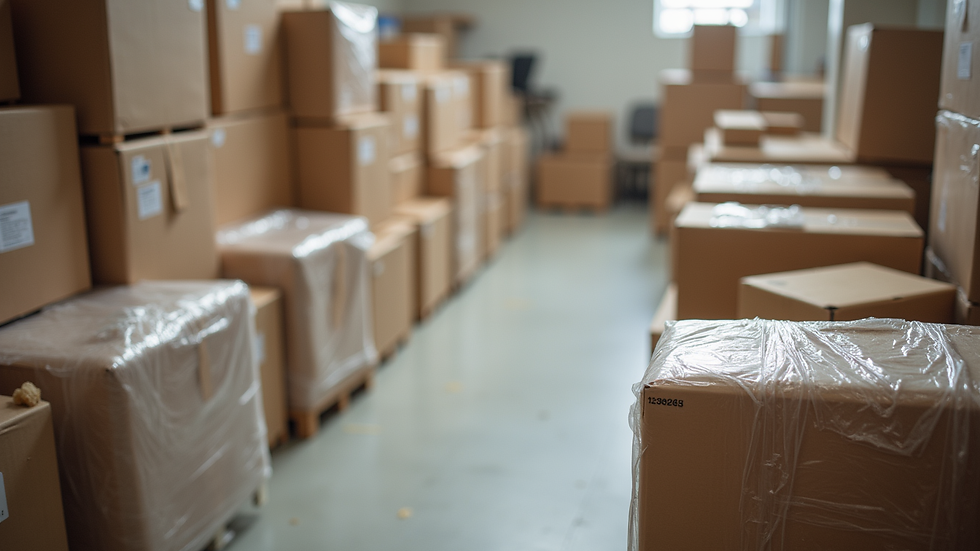
Use plastic wrap: After padding, wrap furniture in plastic wrap to keep everything secure and protect against dirt or moisture.
Label everything: Mark boxes and wrapped items clearly to avoid confusion during unpacking.
These simple steps make a big difference. You’ll feel more confident knowing your furniture is well protected.

What can I use to protect my furniture when moving?
Choosing the right materials to protect your furniture is crucial. Here’s a list of items that I find essential for any move:
Moving blankets or pads - These thick, quilted blankets are perfect for cushioning furniture.
Bubble wrap - Great for fragile parts like glass or delicate woodwork.
Plastic wrap - Keeps blankets in place and protects against moisture.
Packing tape - Use it to secure bubble wrap and blankets, but avoid taping directly on wood surfaces.
Cardboard sheets - Place these between furniture pieces to prevent scratches.
Furniture sliders - These help move heavy items without damaging floors or furniture legs.
Corner protectors - Foam or cardboard protectors shield sharp edges from bumps.
Using these materials together creates a strong defense against damage. I always keep a good stock of these supplies ready before a move.
Packing Tips to Keep Your Furniture Safe
Packing furniture properly is just as important as choosing the right protection materials. Here are some tips I follow to make sure everything stays intact:
Remove cushions and pillows: Pack them separately to avoid crushing.
Wrap legs and arms individually: These parts are prone to damage, so wrap them carefully.
Secure drawers and doors: Use tape or rope to keep them from opening during transit.
Avoid overpacking boxes: Heavy boxes can break and cause damage to furniture.
Use sturdy boxes for small parts: Keep screws, bolts, and hardware in labelled bags.
Taking the time to pack thoughtfully pays off. Your furniture will arrive looking just as good as when it left.
Loading and Unloading: Handle with Care
How you load and unload your furniture can make or break your move. Here’s what I recommend:
Load heavy items first: Place large furniture at the back of the truck to keep the load balanced.
Use straps and ropes: Secure furniture to prevent shifting during transport.
Lift with your legs, not your back: This helps avoid injury and keeps you steady.
Get help for bulky items: Don’t try to move heavy furniture alone.
Protect floors and walls: Use blankets or cardboard to avoid scratches in hallways and doorways.
Being careful during these steps reduces the risk of damage and injury. It’s worth the extra effort.
Final Thoughts on Keeping Your Furniture Safe
Moving doesn’t have to be a nightmare for your furniture. By using these furniture protection techniques, you can make the process smoother and less stressful. Remember to plan ahead, gather the right materials, and take your time packing and loading.
If you want to learn more about how to protect furniture when moving, there are plenty of resources available to guide you step-by-step.
With a little preparation and care, your furniture will arrive at your new place looking just as beautiful as it did before the move. Here’s to a safe and successful move!


Comments